
Manufacturing Process
The instruments are made through Drop Forging Hammers using Dies which all determine the quality of the finish. The forgings then go through the process of trimming, flash trimming and bead cleaning & pickling.
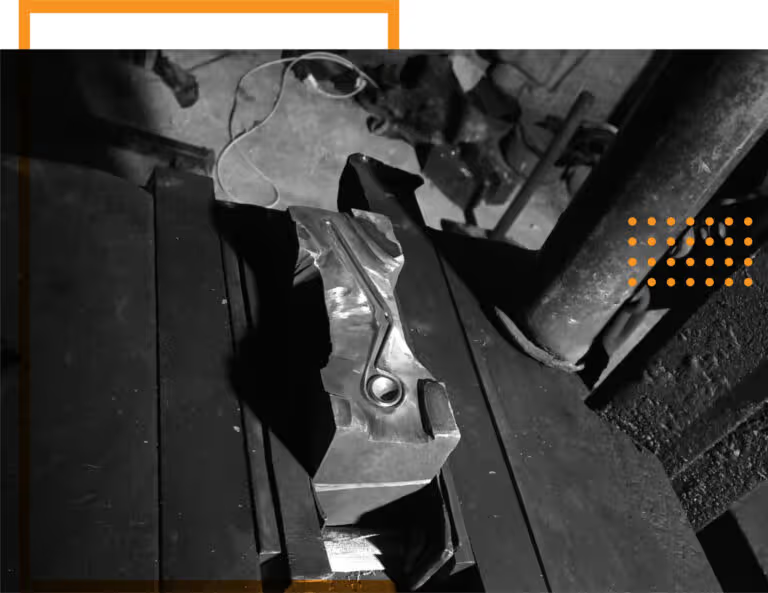
Before the forging process, soft annealing is crucial for stress detection of forged instruments, made to relieve forged patterns and to equalize internal stress.
Annealing is a process which makes stainless steel soft for machining. Forged surgical instruments are annealed in vacuum furnace to prevent oxidation. This is a slow process where forged pieces are heated to a predetermined temperature and then allowed to cool down slowly over a specified period of time. This process eases machining and results in supplier for bending, shaping and sizing in standard shapes.
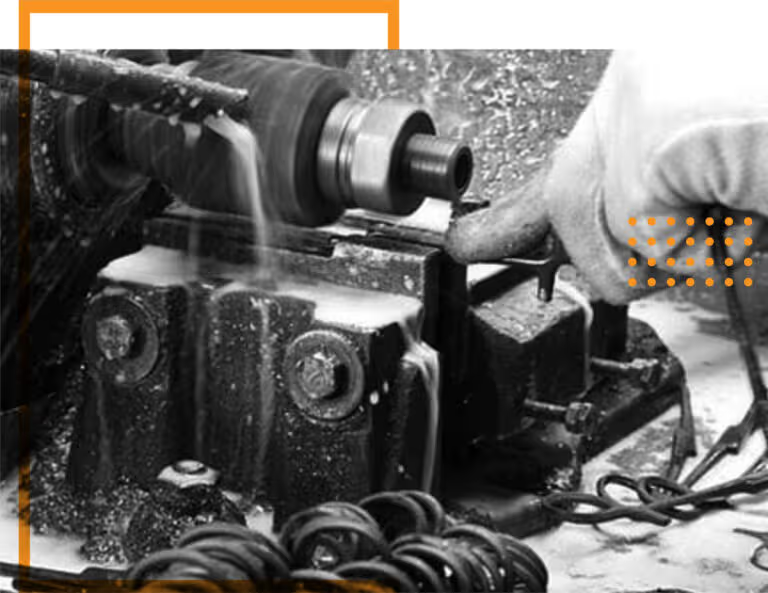
Annealed products are machined and milled based on the requirements of the final design. Special cutters are used for dimensions, teeth, serrations, ratchets, box-joints etc., ensuring exact precision before filing.
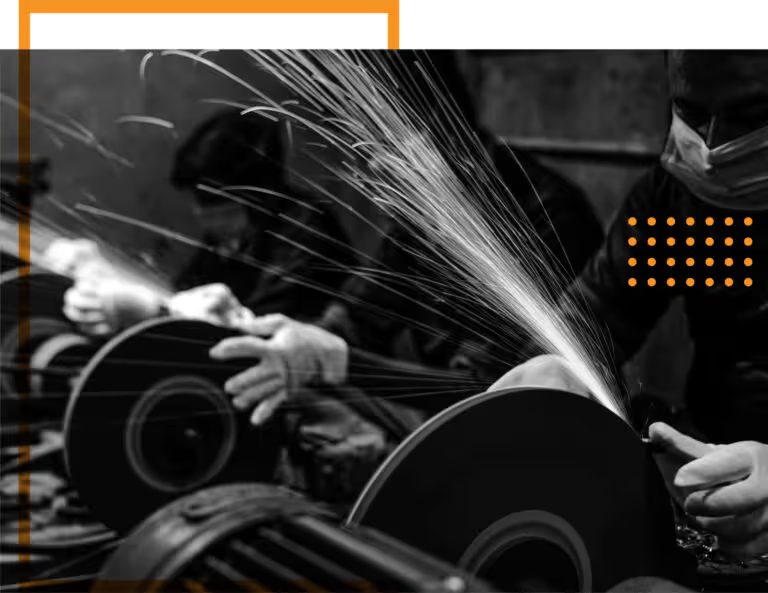
Milled products are basic-ground using high-speed grinding wheels and belts to remove any excess material left in the forging process and also to shaping the instruments as per the required tolerances.
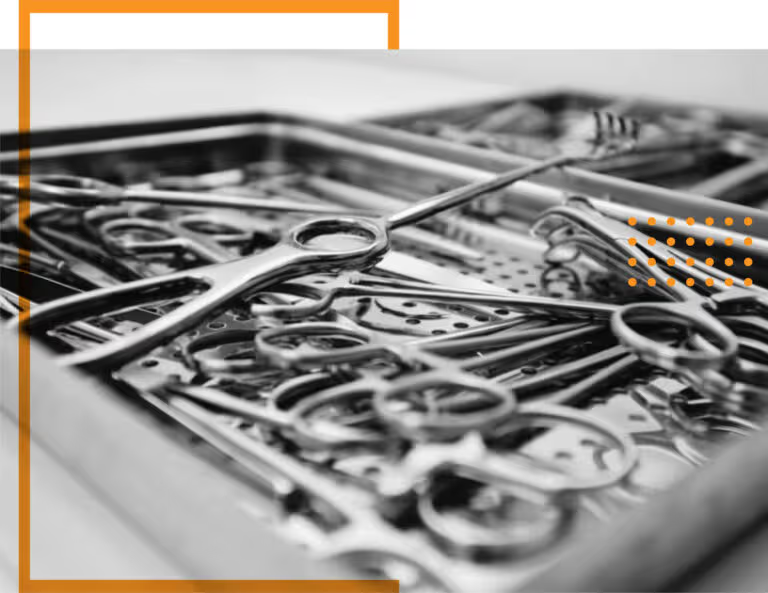
Instruments when shaped and set for perfect fit, undergo heat treatment in highly sophisticated furnaces. This process is used to harden the material of instruments as per the final requirements. This is vital as proper sleep or the hardness of the instruments must be within the acceptable range. Extreme hardening causes the instruments to break and not work properly.
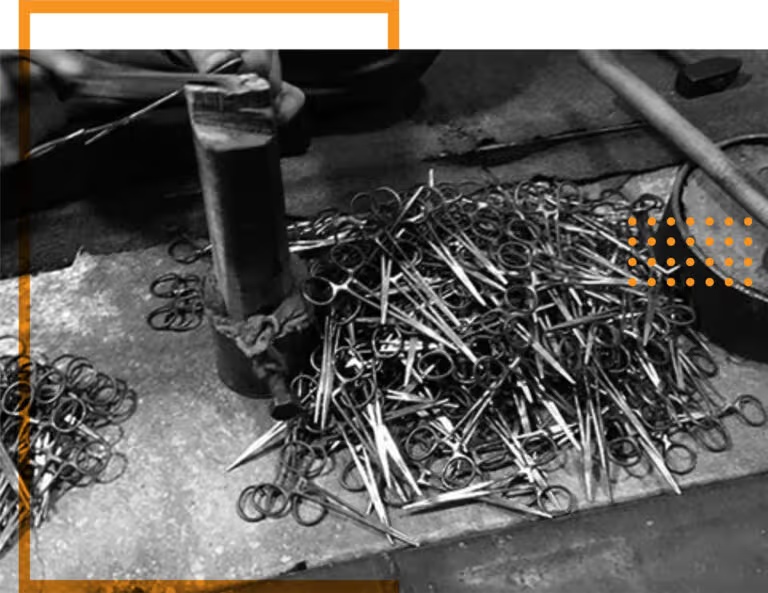
The instruments are tested around using Diamond Cone Rockwell Hardness Test equipment to ensure proper hardness of instruments.
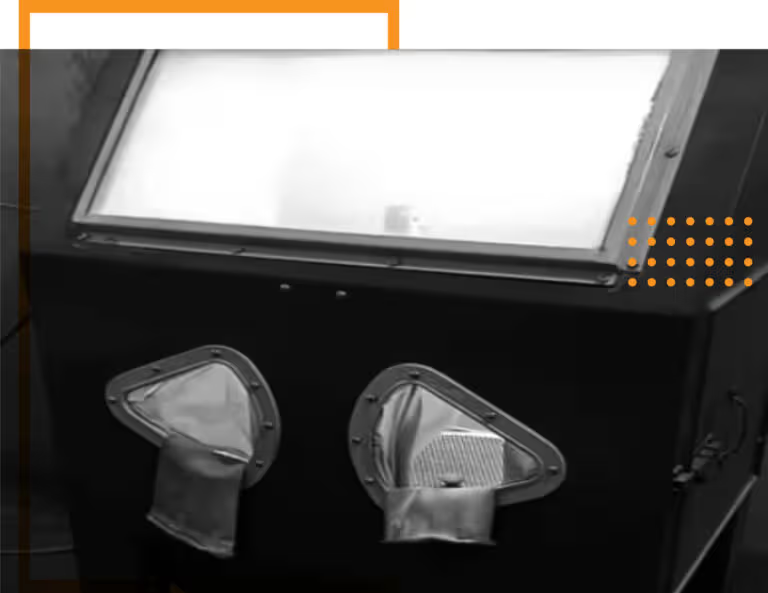
Embossing near the adjoining corners of instruments and spin-rivet together all the steps. The final shape of the instrument emerges when pinned together, turning components of raw material into scissors or forceps. The machining, shaping and teeth are all aligned and straight before the sample fit.
This process is foundational in order to get accurate size, design, height and pattern of the instruments dependent on master samples.
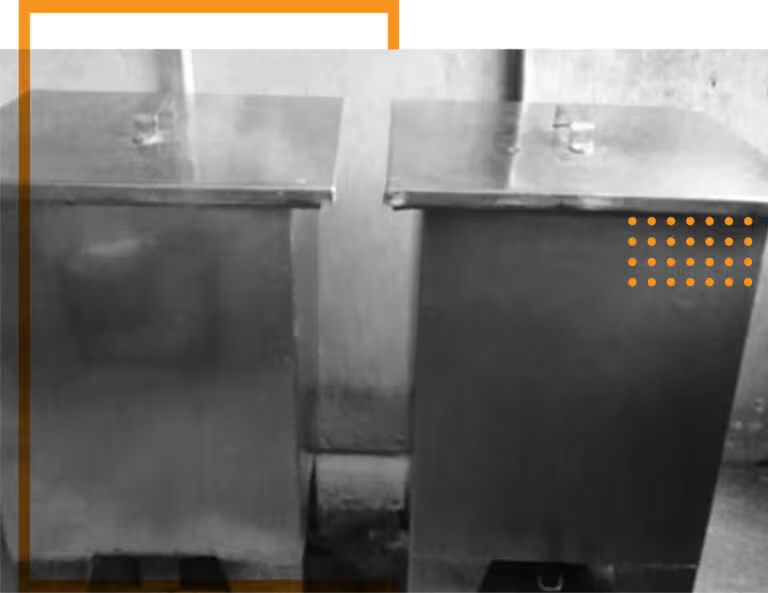
Instruments are sent to electro polishing to remove deep scratches from the previous rough grinding and shaping of various stages as per requirements.
Electro Polishing is a process of electrically chemical cleaning the surface of the material and giving a shiny base and smooth finishing to the instruments.
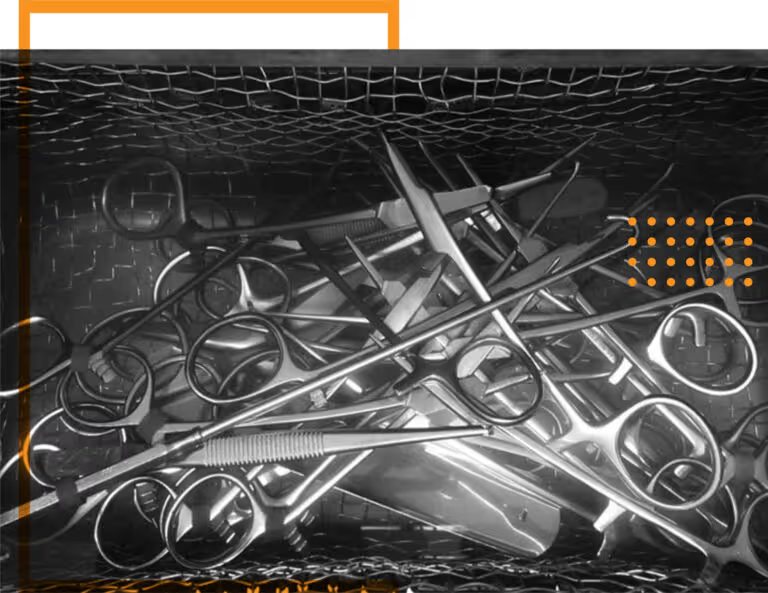
In this stage, experienced polishers give the final shape to instrument and brilliant appearance through various different polishing requirements.
After the completion of vacuum heat treatment process all manufactured instruments must go into check whether the required HRC hardness has been achieved. Improper hardness is a very critical factor and will vary depending upon the grade of steel along with the parameters used during the heat treatment process. Only when the required HRC is achieved, the production processes proceed and the HRC testing report along with polishing work partner log is saved for future tracking, if necessary.
This is an automated machine with digital display that reads accurate HRC readings direct load through the hardness of diamond indentation.
This is standard in the industry, this reliable electronic test tool allows human operators a broad range of use to common strain checking for HRC.
All instruments that go through heat treatment process, head go through hardness testing method of sample basis before moving to next production processes.
Fact n Fair Industries (PVT) LTD uses different types of welding technologies throughout manufacturing facility. The selection of technology depends upon the hardness profile of the workpiece and technical requirements of the instrument.
This is a form of electric resistance welding. Spot electrodes are used to spot weld together two sheets of metal that are placed on top of each other. Fact n Fair Industries (PVT) LTD uses this type of welding process to perform spot welding work on various scissors and forcep handles.
Fact n Fair Industries (PVT) LTD uses this technology for welding Tungsten Carbide (TC) inserts on stainless steel weapons. The TC-instruments are more durable and premium and require excellent weld strength and finish.
This is one of the latest forms of welding that uses laser beam source for heating and melting the elements. Fact n Fair Industries (PVT) LTD uses laser welding for two different reasons, for repair purposes of instruments, and also for seamless welding two different metals on the same instrument.
This is one of those engineering technologies that uses a precise high frequency heating coil for controlled heat. Through induction heated magnetic resonance process, Fact n Fair Industries (PVT) LTD welds together Tungsten Carbide inserts to produce high quality Surgical Forceps and Scissors blades.